
How to Find Lexington County Arrest Records
The fastest way to find a recent arrest is the Sheriff's P2C Inmate Inquiry. It lists people currently in the Lexington County Detention Center, with the primary charge, arrest date, and booking agency. Search by last name and first name. The grid also has a filter tool that can sort by race, sex, age, and booking agency.
Booking happens at 521 Gibson Road, where the Booking Unit handled an average of 22 people a day in 2024. Once someone is booked, they appear on the roster until release. For older arrests that have moved through court, use the Public Index instead, since the jail roster only shows current custody.
- Open the Lexington County Sheriff's Inmate Inquiry.
- Enter the last name and first name.
- Use the Filter Inmate List tool to narrow by booking agency or other fields.
- Select a row to open the booking detail.
- For court outcomes, switch to the Public Index covered on the court records page.
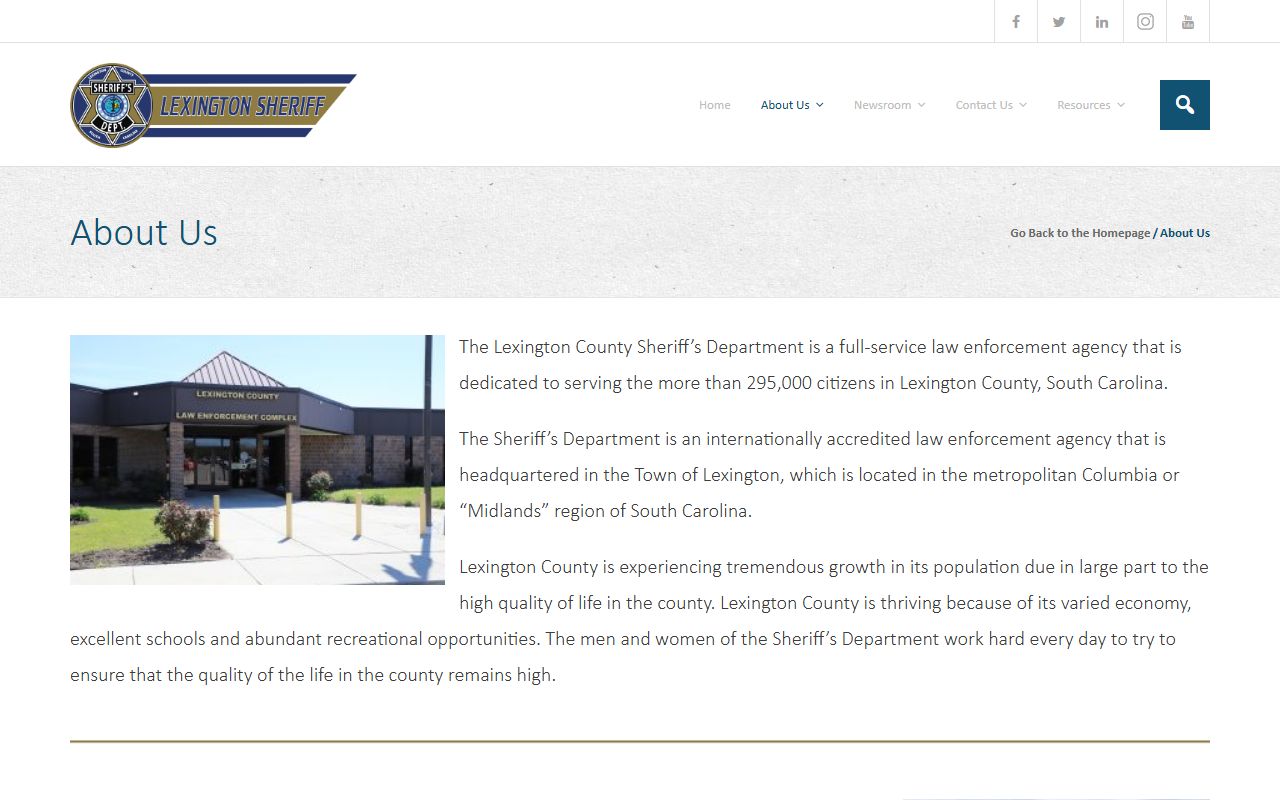
The Sheriff's Department serves more than 295,000 residents and runs the detention center.
Arrest Record vs Criminal Court Record
An arrest record and a criminal court record are two different files. The arrest record is the Sheriff's booking data: who was taken in, the charge at booking, and the date. The court record is the case the Solicitor and the court build after the arrest, ending in a disposition. One is law enforcement data; the other is judicial data.
| Point | Arrest Record | Criminal Court Record |
|---|---|---|
| Who keeps it | Lexington County Sheriff's Department | Clerk of Court / the courts |
| What it shows | Booking, charge at arrest, jail custody | Charges, hearings, plea, disposition, sentence |
| Where to find it | Sheriff's Inmate Inquiry | Public Index |
| Final outcome | Not shown | Shown in the disposition |
For the full criminal case history, use the Lexington County court records page.
Charges vs Convictions
This difference matters most on an arrest record. A charge is an accusation. A conviction is a guilty plea or a guilty finding by the court. Many arrests never end in conviction; charges get reduced, dismissed, or dropped.
| Point | Charge | Conviction |
|---|---|---|
| Meaning | The state accuses a person | Guilt is admitted or found |
| Stage | At or after arrest | At case disposition |
| On the record | Booking charge | Disposition line in the court file |
Always read the disposition before you treat a charge as a conviction. The booking charge alone does not show how the case ended.
General Sessions and Magistrate Criminal Records
Criminal cases split by severity. The Court of General Sessions handles serious crimes, while Magistrate Court tries minor offenses that carry up to 30 days in jail or a $500 fine plus assessments. The Clerk of Court receives criminal warrants and transmits them to the Solicitor, receives bail, compiles trial lists, and keeps the case records.
The Eleventh Judicial Circuit Solicitor, Rick Hubbard, prosecutes criminal cases for Lexington, Edgefield, McCormick, and Saluda counties from the Judicial Center. The Solicitor's office decides which charges go forward and which divert. The Sheriff's headquarters page lists the records and warrant divisions tied to criminal cases.
Mugshots, Booking, and Incident Reports
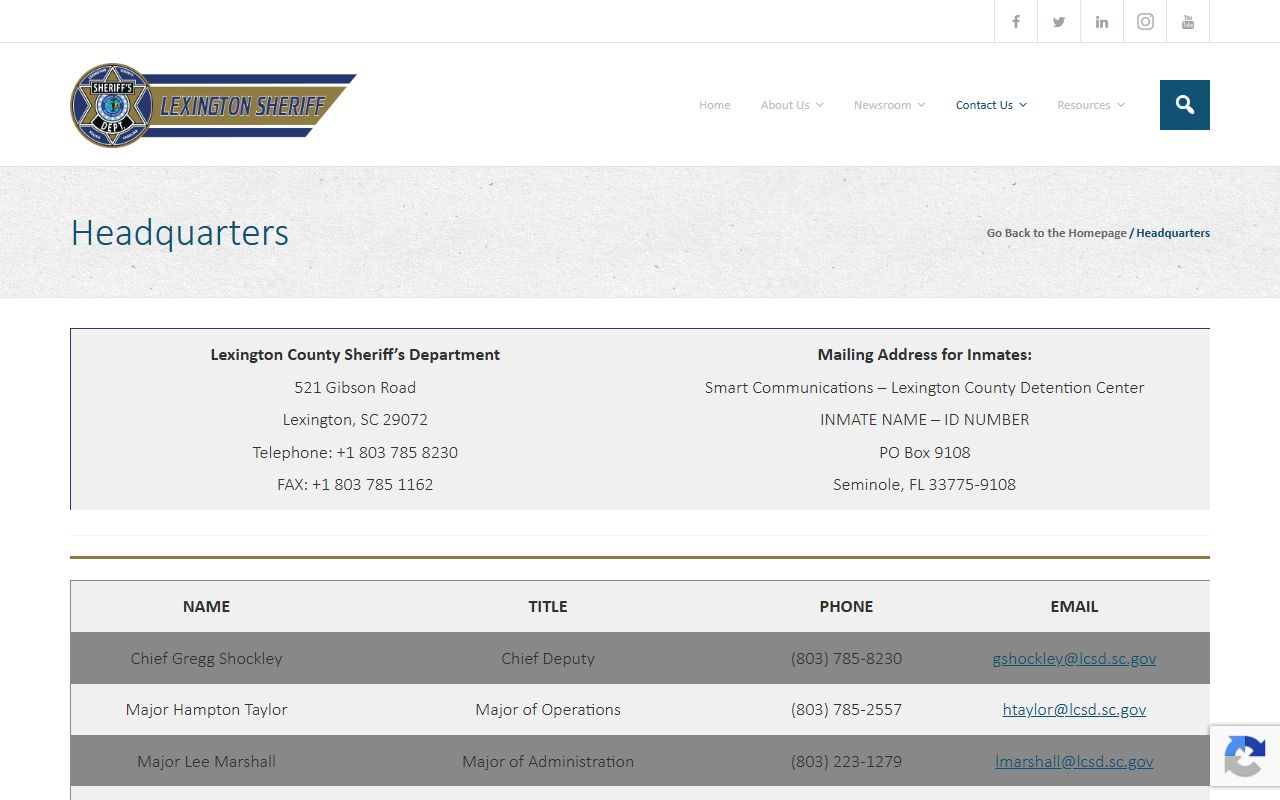
Booking data may include a mugshot in the inmate detail, though the public roster grid shows the name, primary charge, arrest date, and booking agency. Incident reports are a separate request. The Sheriff's headquarters page hosts an online incident report request form, but only the victim of a crime can request a report through it, and a case number is required.
Case numbers on Sheriff's reports are 8 to 10 digits, with the first two digits being the year. Reports involving juvenile or sexual assault victims cannot be released through the online form and must be requested in person at Gibson Road or through the Victim Assistance Officer.
Note: Erroneous information on an incident report request causes the request to be discarded, and the department will not correct it.
SLED Criminal History and Sex Offender Registry
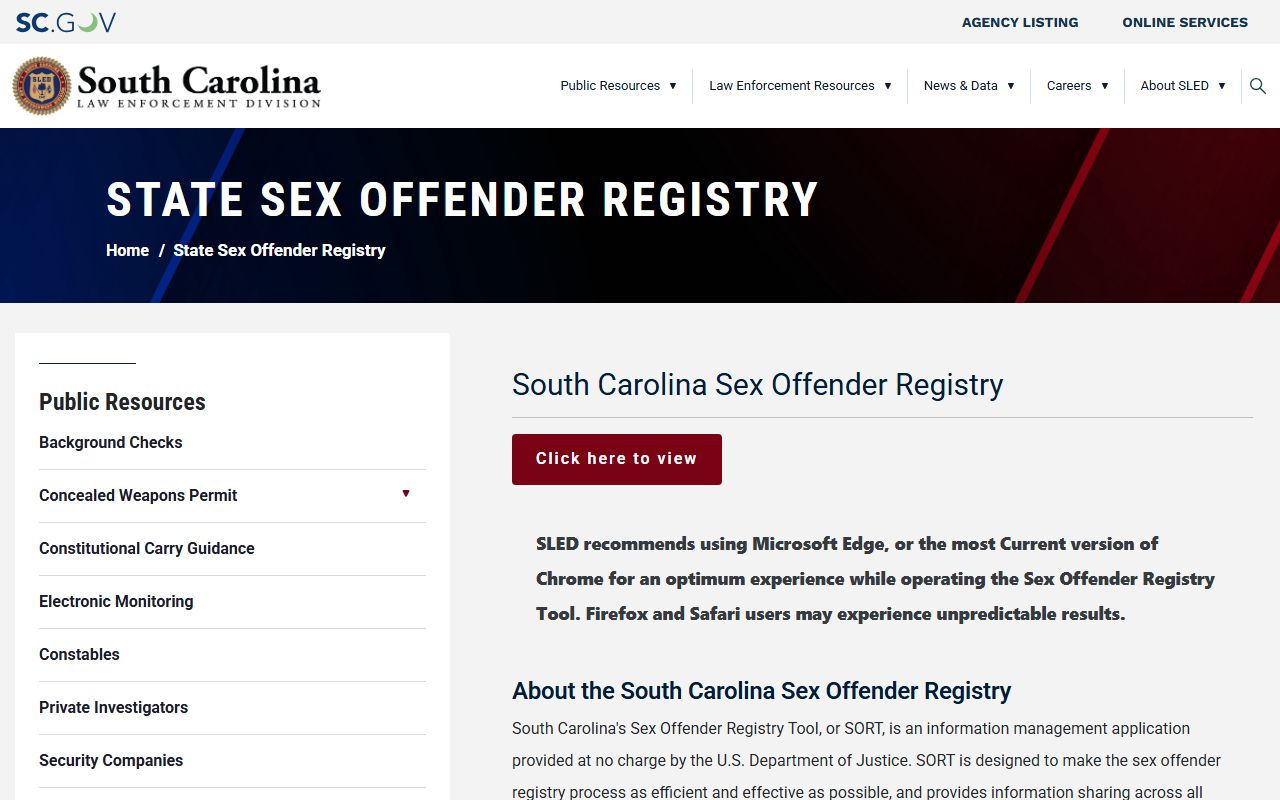
The South Carolina Law Enforcement Division keeps the statewide criminal history and runs the public sex offender registry. The registry, called SORT, can show multiple photos over time, a map of where an offender lives, aliases, the offenses of conviction, and community notifications. It feeds automatic updates to the national registry.
The SLED registry page explains how the tool works and how to report misuse.
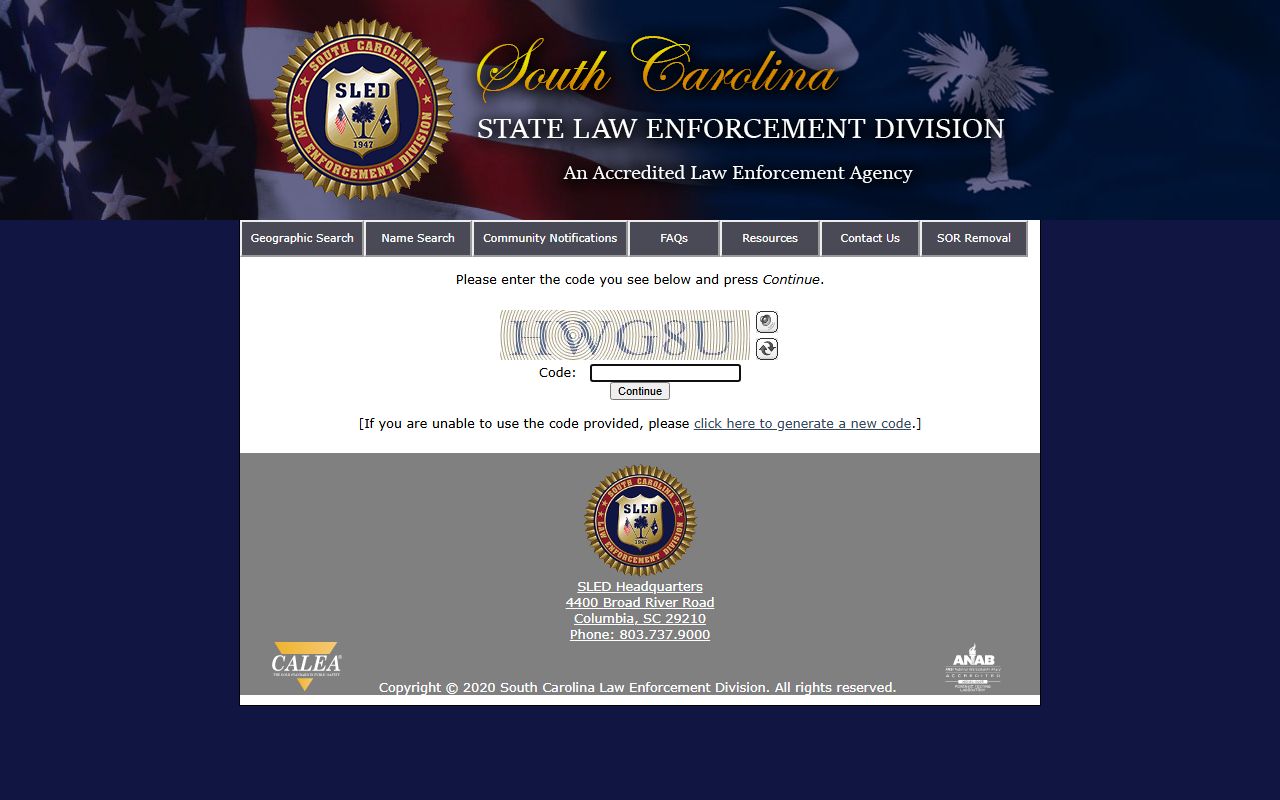
The public registry search itself opens through a conditions-of-use and captcha screen.
Sealed vs Expunged Arrest Records
South Carolina lets some criminal records be removed from public view. A sealed record is restricted by court order. An expunged record is destroyed or removed for most public purposes once a judge signs the order. The two terms get mixed up, but expungement is the path most people in Lexington County use.
| Point | Sealed | Expunged |
|---|---|---|
| Effect | Hidden from ordinary public view | Removed from public access |
| Trigger | Statute or court sealing order | Court order after eligibility review |
| Who handles it | The court holding the case | Solicitor expungement services and the court |
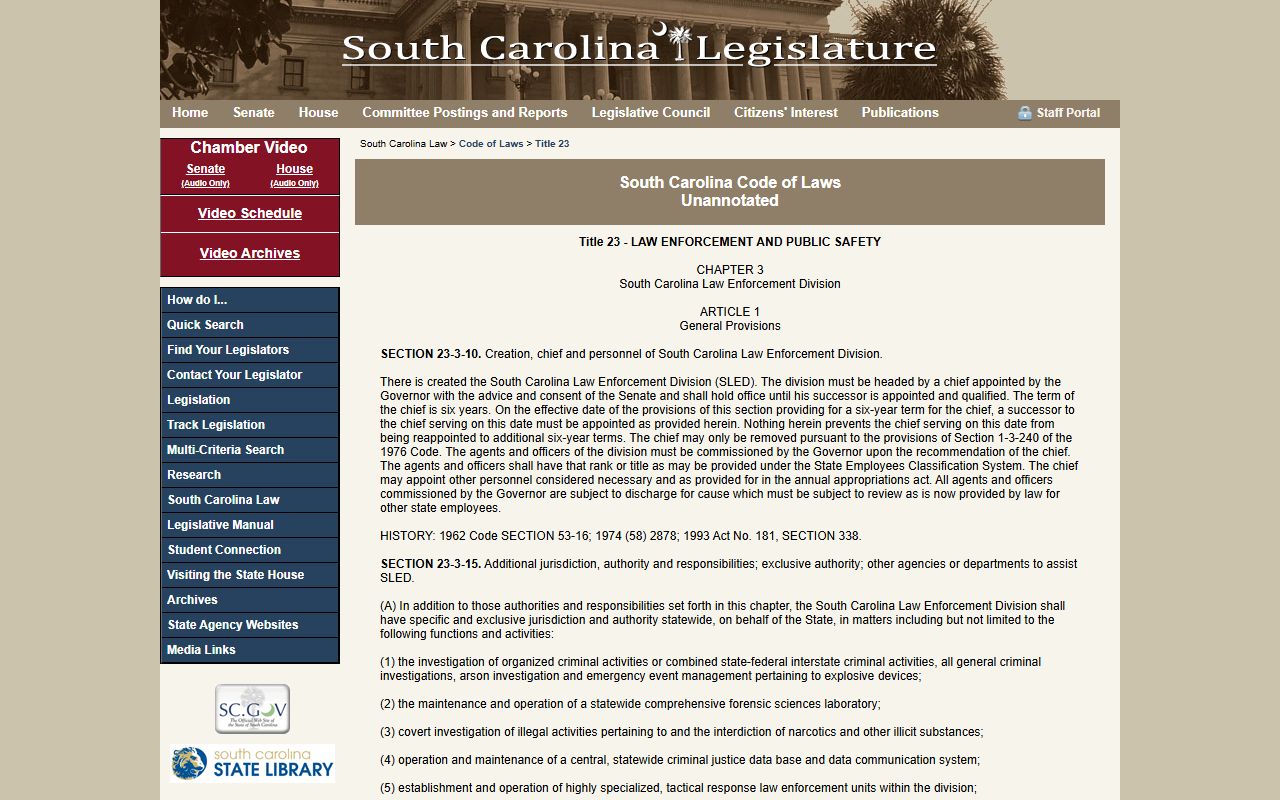
Summary courts must expunge not-guilty, dismissed, or nolle prossed cases at no fee under South Carolina Code § 17-22-950. Most adult expungements run through the Eleventh Circuit Solicitor's expungement services at (803) 785-8037. The state SLED and registry statutes appear in South Carolina Code Title 23, Chapter 3.
What Lexington County Arrest Records Show
A booking result on the Sheriff's roster is short but useful. It ties a name to a charge and a date. The fields below appear on a typical Lexington County arrest listing.
| Field | What It Shows |
|---|---|
| Name | Last, first, and middle, with race, sex, and age |
| Primary Charge | The main charge at booking, such as burglary or DUI |
| Arrest Date | The date of the arrest, shown as MM/DD/YYYY |
| Booking Agency | The agency that made the arrest, often the Sheriff's Department |
The roster shows current custody only. It does not show the plea, the sentence, or whether charges were later dropped. Those facts live in the court file.
Arrest Records and Background Checks
People often pull arrest data for a background check. Be careful with it. A single arrest line, with no disposition, does not show guilt. Federal law also limits how arrest and court data can be used for credit, hiring, housing, and insurance decisions.
For a full, official criminal history, the South Carolina Law Enforcement Division keeps the statewide record. The county jail roster and the Public Index are good for a quick look, but they are not a substitute for a SLED criminal history check. Always confirm a charge against the court disposition before acting on it.
A jail booking and a court conviction are different stages, and they can be removed on different tracks. An arrest that ends in dismissal or a not-guilty finding may be eligible for expungement, which removes it from public access once a judge signs the order. So a name that once appeared on the roster may have no public record at all after an expungement clears the case.
Diversion Programs and Your Record
Not every charge ends in a conviction on the record. The Eleventh Circuit Solicitor runs diversion programs that can change a case outcome. Pre-Trial Intervention, the Alcohol Education Program, and the Traffic Education Program can lead to a dismissal and later expungement when a person completes them. The Adult Drug Treatment Court is a longer, court-supervised option for high-need cases.
These programs are the Solicitor's call under prosecutorial discretion. Completing one can clear the way to remove a charge from public view. The Sheriff's records unit handles the back end of that work; in 2024 it expunged nearly 3,000 criminal records, responded to more than 24,780 records requests, and helped process more than 730 registered sex offenders.
Confidential Juvenile and Victim Records
Some criminal records are never public. Juvenile records are restricted by state law and court practice. Sexual assault victim information is protected. Active investigative files can be withheld under the open-records exemptions, and jail medical data is not part of the public roster.
For warrants and how the county handles them after a judge issues one, see warrant records. For custody and the jail roster, see inmate records. DUI and DWI cases overlap with traffic, covered on the traffic court records page.