
How to Search Lexington County Court Records
The main search tool is the Lexington County Public Index, reached through the South Carolina Judicial Branch Case Records Search. It covers Circuit Court cases, both Common Pleas civil and General Sessions criminal, plus Magistrate Court cases. Lexington County appears on the state page with Circuit Number 11 and County Number 32. The page needs cookies and JavaScript turned on, and some browsers need a pop-up exception to open case detail.
Have your details ready before you start. A case number returns the cleanest result. A party-name search can pull many similar names, so use a full last name and first name and add a date range if the list runs long.
- Open the South Carolina Judicial Branch Case Records Search or the Lexington County Public Index.
- Choose Lexington County if you began from the statewide page.
- Pick the court that fits the case: Circuit Court for Common Pleas and General Sessions, Magistrate Court for traffic, small claims, and minor crimes.
- Enter the case number, or search by party name when the number is unknown.
- Narrow a large result set with a filing-date range.
- Open the case and record the case number, parties, filing date, charges, and disposition.
- For a certified copy or a sealed-but-viewable record, contact the Clerk of Court at (803) 785-8212.
Lexington County Court Records Search Fields
The Public Index uses a short set of fields. You can search by court agency, case number, or party name, and filter by filing date. For Master-in-Equity foreclosure files, the county's guidance is to select the Circuit Court option, enter the party name, and review the case number and the plaintiff's law firm.
| Field Label | Type | Required | Notes / Format |
|---|---|---|---|
| Court Agency / Court | Dropdown / tab | No | Circuit Court or Magistrate Court; pick Circuit Court for foreclosure filings |
| Case Number | Text | No | Encodes year, court type, county number, and sequence |
| Last Name / Business Name | Text | No | Party name search |
| First Name | Text | No | Use with last name to narrow results |
| Filing Date Range | Date | No | Limits results to a date window |
| Search / Reset | Button | n/a | Runs or clears the query |
Family Court cases do not appear in the Public Index. They run through a separate state portal, shown next.
Family Court Records in Lexington County
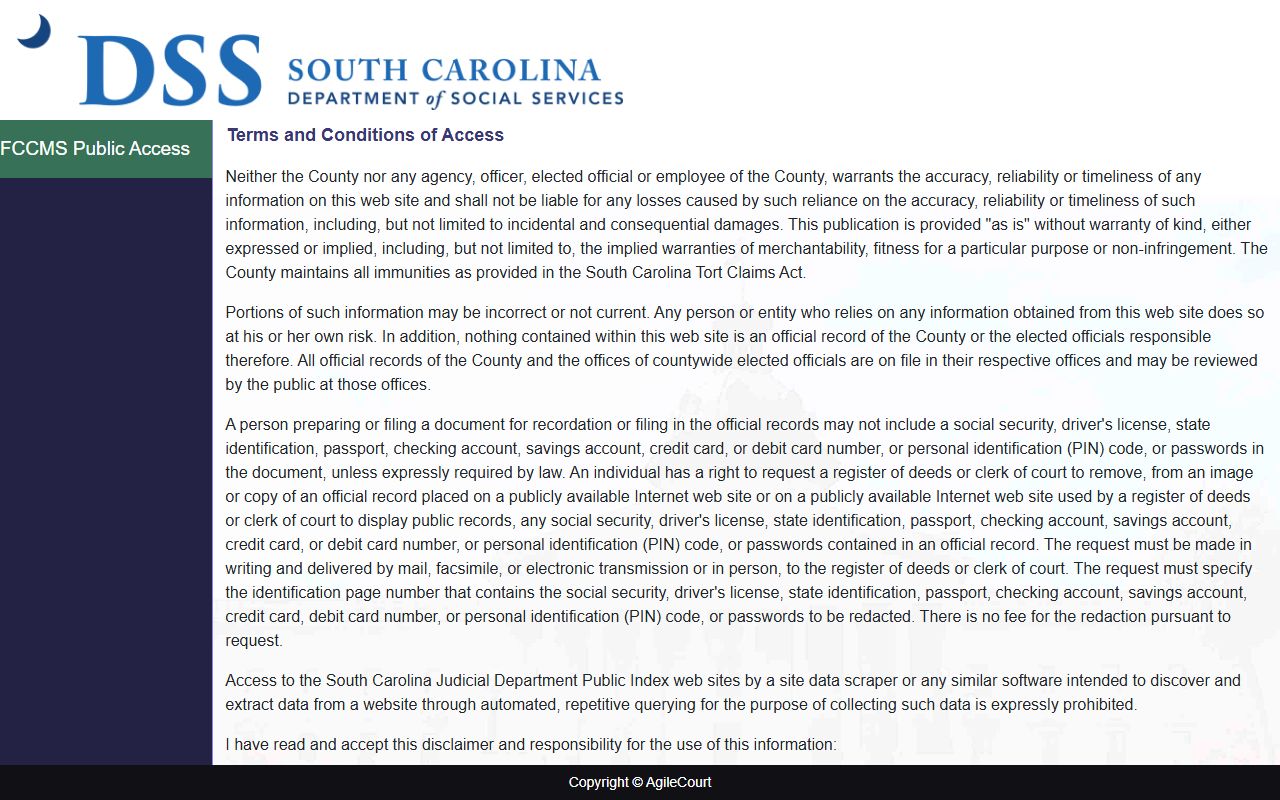
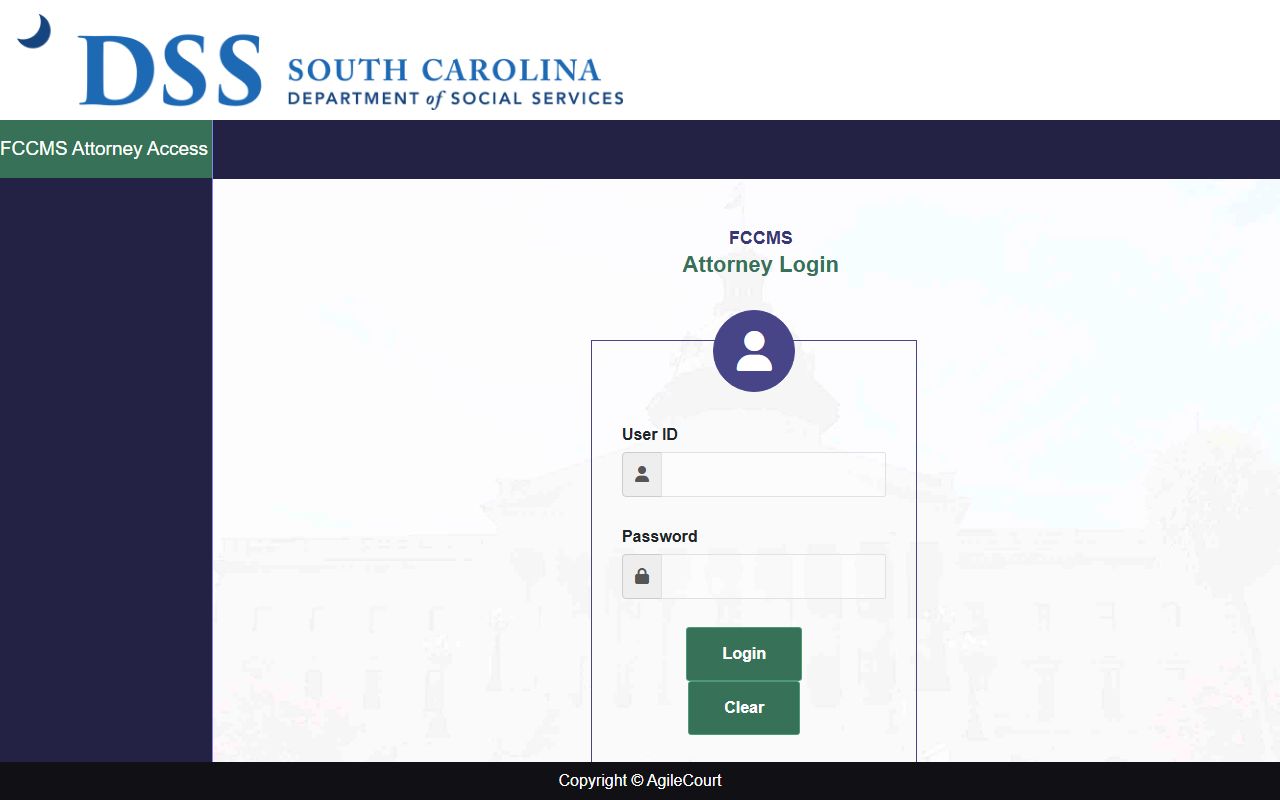
The Clerk of Court supports Family Court and links a public portal for family cases and dockets. The portal is run through the state Department of Social Services case management system. Lawyers use a separate attorney portal that needs an Attorney Information System ID and password. Some family records, such as juvenile, adoption, and abuse cases, are restricted and are not fully open.
The Family Court public portal is the starting point for divorce, custody, and support case lookups.
Attorneys log in through a restricted access portal rather than the public one.
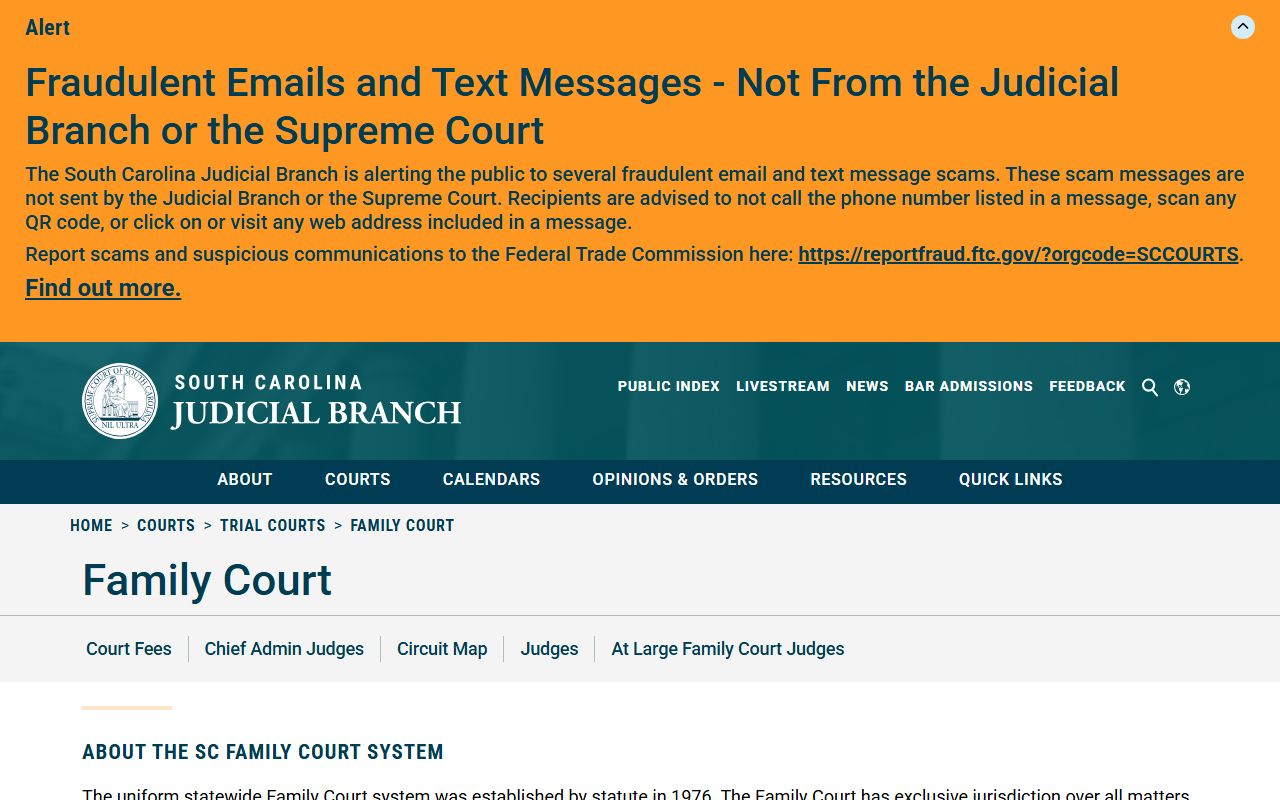
The state's overview of the Family Court explains what the court handles.
Types of Lexington County Court Records
Each court produces its own records. Civil cases are filed in Common Pleas through the Clerk and cover contract disputes, personal injury, property, and foreclosure referrals. Criminal cases split between General Sessions for serious charges and Magistrate Court for minor ones. Family records, probate records, and traffic records each sit with a different office.
The Public Index reaches most Circuit and Magistrate cases. Probate and Family Court searches are separate.
- Common Pleas civil suits, judgments, and liens
- General Sessions felony and serious criminal cases
- Magistrate traffic, small claims, landlord-tenant, and minor crimes
- Master-in-Equity foreclosure files, kept in the Clerk's Records Room
- Family Court divorce, custody, and support cases
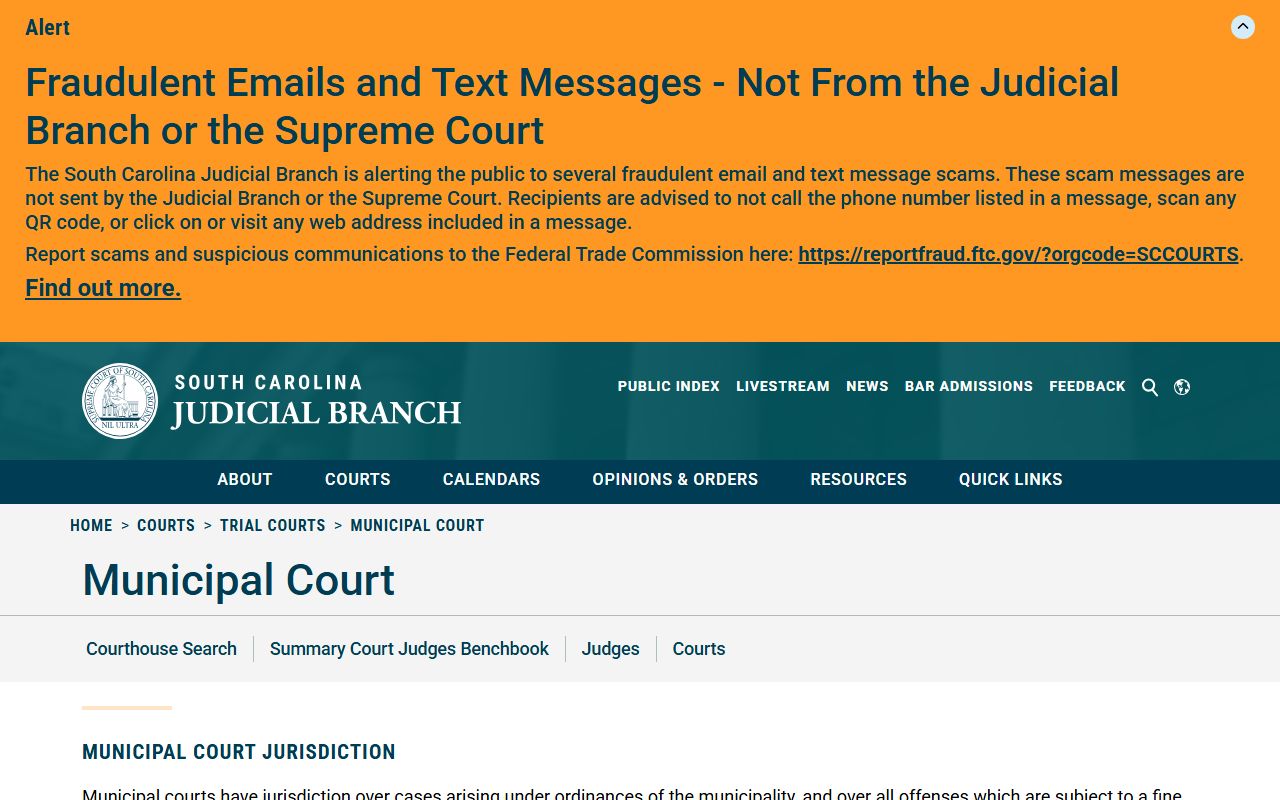
Municipal courts handle city ordinance and city traffic cases, and some are available in the Public Index. The state describes the role of the Municipal Court system.
What Lexington County Court Records Show
A case record holds the same core fields whether the case is civil or criminal. The fields below appear on a typical Public Index result. As of January 1, 2026, home address information no longer displays on the Public Index for new or existing cases.
| Field | What It Shows |
|---|---|
| Case Number | The court's unique ID for the case |
| Court / Agency | Circuit Court, Magistrate Court, or another option |
| Party / Caption | Plaintiff and defendant or petitioner and respondent |
| Attorney / Law Firm | Counsel of record, including the plaintiff's firm in foreclosures |
| Filing Date | When the case was opened |
| Case Type | Civil, criminal, traffic, small claims, or foreclosure |
| Status / Disposition | Open, closed, disposed, or judgment entered |
| Docket / Roster | Filings, hearings, and scheduled sessions |
Not all documents can be downloaded from the Public Index. For full copies, use the Clerk.
Public Access Framework for Lexington County Court Records
South Carolina's Freedom of Information Act sits in Title 30, Chapter 4 of the state code. It opens public records held by county offices to inspection and copying, subject to reasonable fees and a set of exemptions. Court records also answer to court rules and any sealing order in a case. The county FOIA form notes the county may charge for copying and research time and may ask for a deposit. The full South Carolina Freedom of Information Act spells out the right to inspect, response timing, and fees.
Anyone can request a record, and you do not need to give a reason. Fees apply for copies and certifications.
Note: A request can be denied only under a listed exemption, and a denial may be challenged through the courts under the FOIA.
Records That Are Sealed or Confidential in Lexington County
Some records never reach public view. Juvenile records are restricted by state law. Mental health commitments handled by Probate Court are protected, and adoption files are confidential. Sealed and expunged criminal records leave the Public Index once a judge signs the order. Family cases may show a caption while keeping sensitive details closed.
To see a sealed record, a person usually must petition the court that holds it and show a legal basis. Most adult expungements run through the Eleventh Circuit Solicitor's expungement services, while summary courts expunge not-guilty, dismissed, and nolle prossed cases at no fee under South Carolina Code § 17-22-950.
In-Person Court Record Requests
For records that are not online or for certified copies, visit the Clerk of Court at the Judicial Center. Expect security screening at the door. Master-in-Equity records for referred cases sit in the Clerk's Records Room on the first floor. Bring the case number if you have it.
Lexington County Clerk of Court
205 East Main Street
Lexington, SC 29072
(803) 785-8212
Mon-Fri 8 a.m.-5 p.m.
The state Family Court overview page also shows what Family Court records the Clerk supports.
Case Number and Party Name Searches
There are two ways to find a Lexington County court record, and one is cleaner than the other. A case number search points straight to a single file. South Carolina case numbers encode the year, court type, county number, and a sequence, so the number is unique to one case. If you have it from a notice, a ticket, or a prior search, use it first.
A party name search casts a wider net. Common names return long lists, and you have to read each result to find the right person. Use the full last name and first name, then trim the list with a filing-date range. Watch for middle initials and spelling variants. Two people can share a name, so confirm the case with a second detail before you treat it as a match.
Foreclosure files take an extra step. Master-in-Equity cases start as Circuit Court filings, so select Circuit Court, enter the party name, and read the case number and the plaintiff's law firm in the result.
Search Tips and Common Problems
Most search problems trace back to browser settings or the wrong court. The state page will not run without cookies and JavaScript, and case detail may need a pop-up exception. If a search returns nothing, widen it. Drop the first name, remove the date range, or try a business name instead of a person.
Pick the right court agency. A traffic case will not show under Circuit Court, and a felony will not show under Magistrate Court. Family cases never appear in the Public Index at all; use the Family Court portal. Probate estates and marriage licenses use the Probate Court searches, which run by date range.
Note: Online records can lag behind the courtroom, so a recent ruling may not appear until the clerk enters it.